Skip to content
Xodadi
Wiring

Wiring repairs and socket replacement

Wiring is the quiet backbone of every home. It sits behind the plaster, carries power to sockets, switches and lights, and rarely reminds you of itself — until a socket goes dark, a breaker starts tripping, or a wall switch feels warm to the touch. Those small signs are worth taking seriously, because most household electrical faults begin at a connection point rather than in an appliance.

This page covers the everyday wiring work we handle in houses and flats: replacing old or damaged cable runs, fitting new sockets and switches, and tracking down faults that are hard to pin down. The approach is always the same — understand how your installation is laid out, test before touching, and leave every circuit clearly labelled and safe to use.

If your concern is the fuse box itself rather than the wiring behind it, the fuse box and panel upgrade page explains that side of the work. For a broader look at what we do around the home, start with the main services overview.
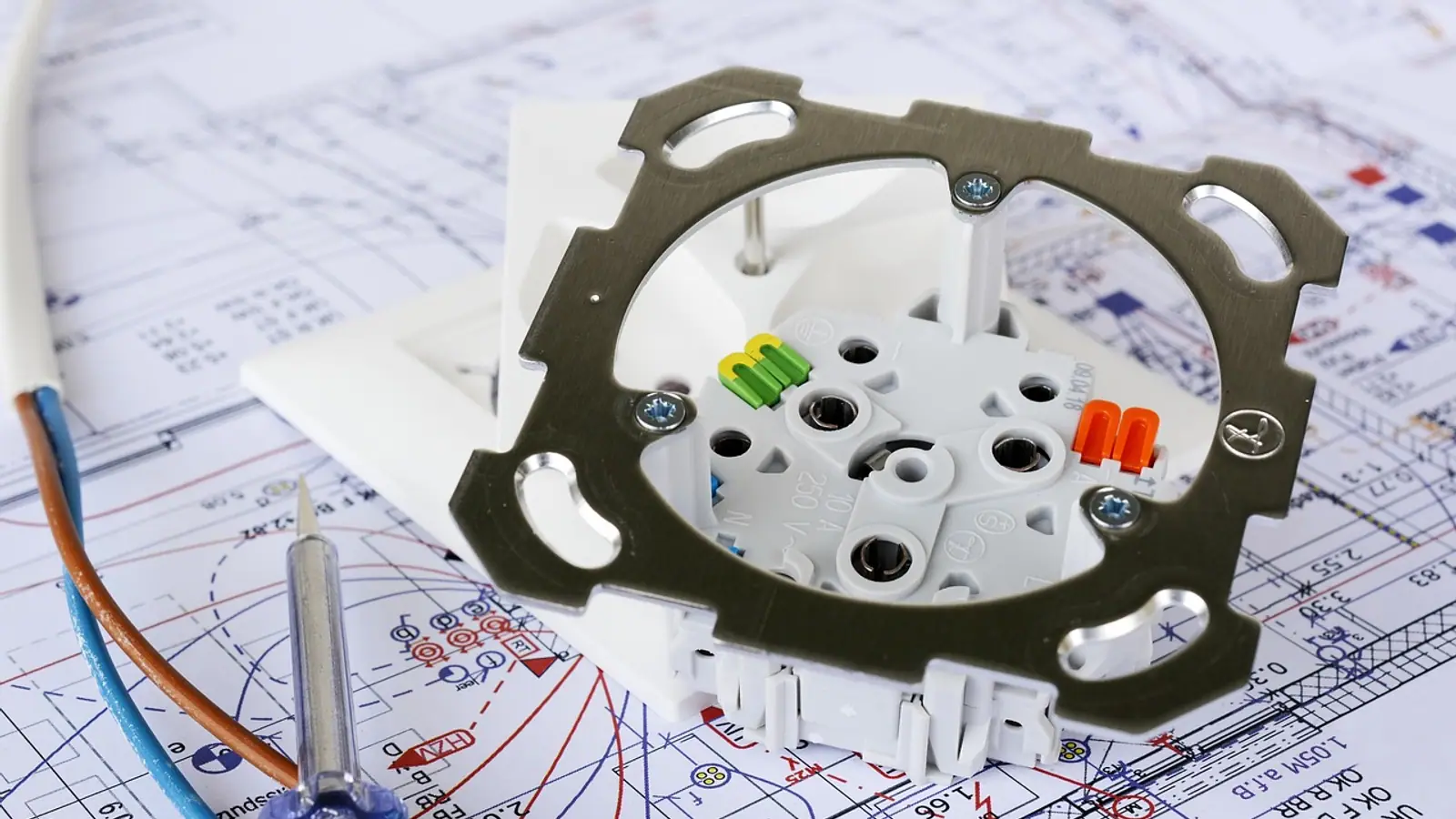
Wall channel with new copper wiring in a home

What wiring work includes

Each job below is described the way it actually runs — in general terms, present tense, so you know what to expect before anyone picks up a screwdriver.

Socket replacement and new socket points

Older sockets loosen over time, plugs wobble in them, and plastic faces crack with age. A replacement starts with isolating the circuit, checking the state of the box and cables behind the faceplate, and fitting a new socket rated for the circuit it serves. Where a new point is needed, the cable route is planned first — along skirting, through walls or under floors — so the chasing stays tidy and the finish is easy to make good afterwards.

Switch repairs and replacement

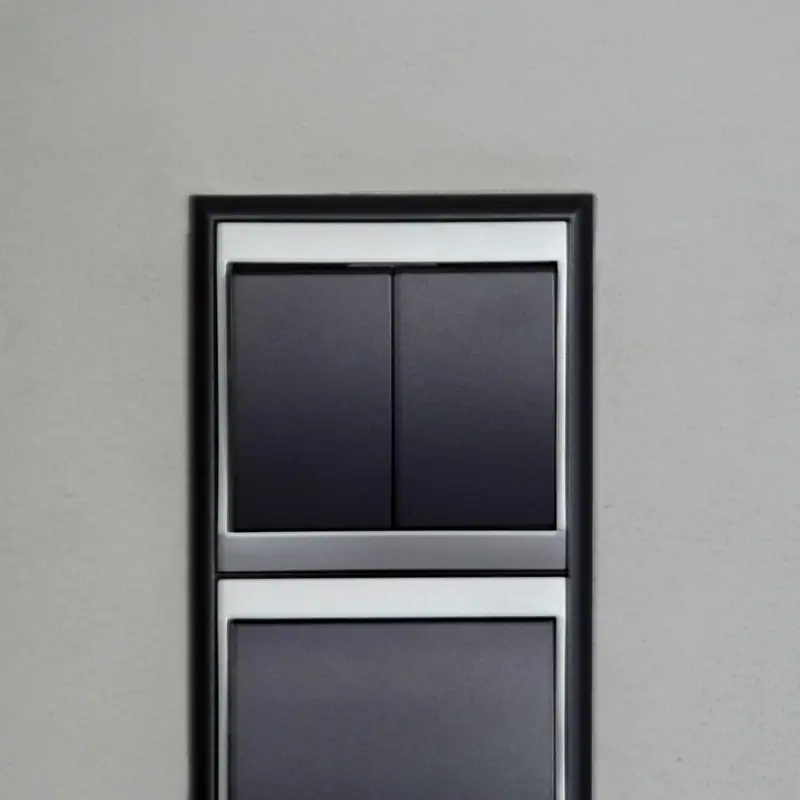
Flickering lights, a switch that crackles, or a dimmer that grows hot are all reasons to act. The circuit is switched off and locked out, the switch is opened, and terminals are inspected for scorching or loose strands. A like-for-like replacement usually takes minutes; a repositioned or two-way switch takes a little planning of the switching wires before anything is disconnected.

Fault finding in household circuits

When a breaker trips repeatedly or part of the house loses power, the cause is found by measuring, not guessing. Each circuit is tested in turn, sockets and junction points are checked, and the fault — often a damaged cable, a crushed wire behind a wall, or a single failed connection — is narrowed down before any opening of walls. You hear what was found and what the repair involves before the work begins.

Screwdriver tightening a wall switch plate

Cable renewal in older homes

Installations from past decades often run on ageing cable with no earth conductor, or on rubber insulation that crumbles when moved. Renewal means mapping the existing routes, replacing runs section by section, and bringing earth bonding up to current practice. The work is planned around your rooms so that only the necessary walls are opened.

Common questions about wiring

General questions people ask before booking wiring work — answered in plain terms.

How do I know a socket needs replacing?

Typical signs are a plug that sits loosely, discolouration around the faceplate, a buzzing sound, or a faint smell of warm plastic. Any of these means the socket should be inspected and most likely replaced — it is a quick, low-disruption job.

Why does my breaker keep tripping?

A breaker trips because a circuit is drawing more current than it should, or leaking current to earth. Common causes are a faulty appliance, a damaged cable, or water getting into an outdoor point. The circuit is tested methodically to separate an appliance problem from a wiring problem before any repair is suggested.

Do walls always need to be opened for cable replacement?

Not always. Many runs follow skirting boards, floor edges or existing channels, and can be renewed with minimal cutting. Where chasing through a wall is unavoidable, the route is agreed with you first and the opening is kept as narrow as the cable standard allows.

Can wiring work be done while we live in the house?

Yes. Household wiring work is normally carried out room by room, with power restored at the end of each working session. Only the circuit being worked on is isolated, so heating, lighting elsewhere and refrigeration can stay on.

How long does a typical wiring job take?

It depends on the scope. A socket or switch replacement is a short visit; fault finding usually needs a diagnostic session first; renewing cable runs in one room or along one route is planned after a look at the installation. The expected timeframe is always stated before the work starts — details are agreed on request.

Not sure which of these matches your situation? Tell us what you are seeing, and we will point you in the right direction.