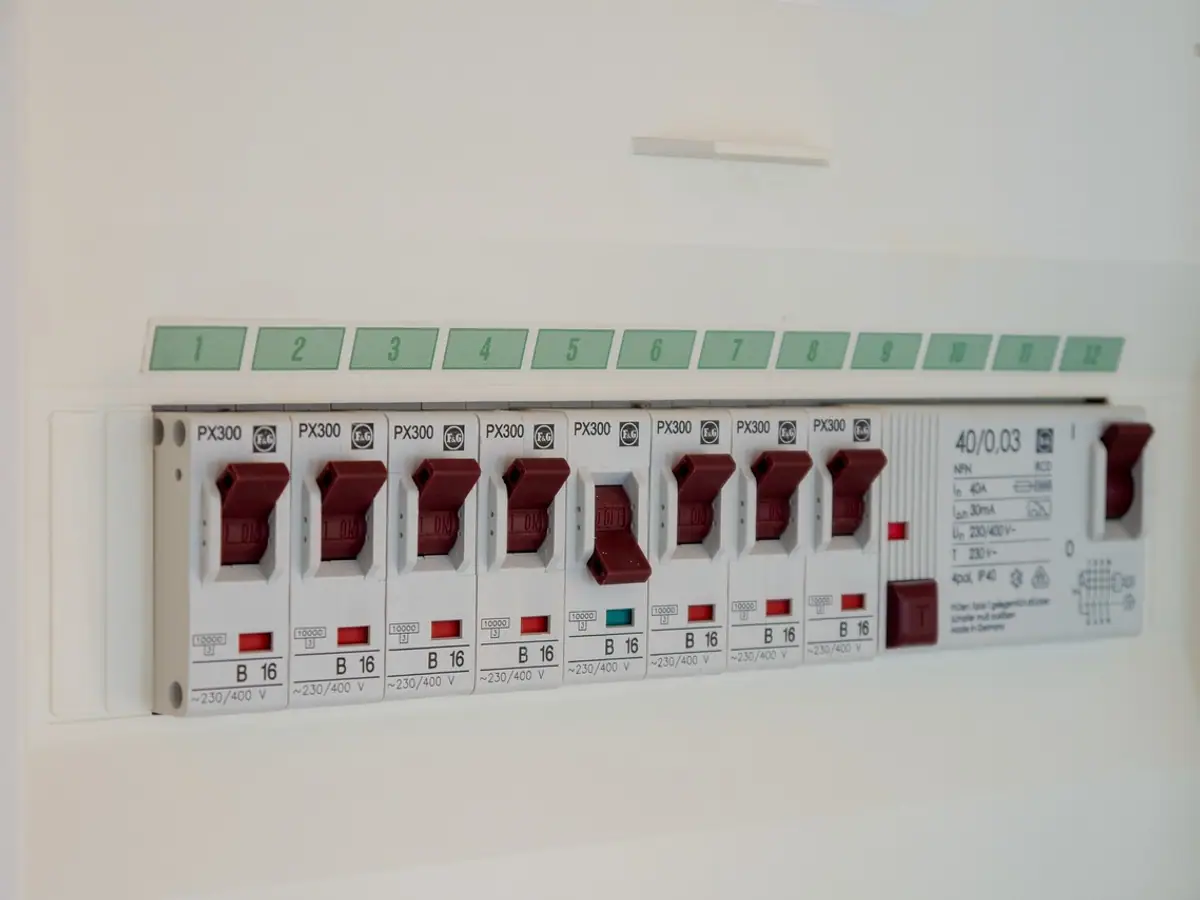
Fuse boxes and panel upgrades
Replacing old fuse boards with clearly labelled modern units, adding residual-current protection and bringing the box into a state you can read at a glance.
See what is involvedSockets, wiring, fuse boxes and lighting for houses and flats across the neighbourhood — handled by people who arrive prepared and tidy up after.
Book a home visit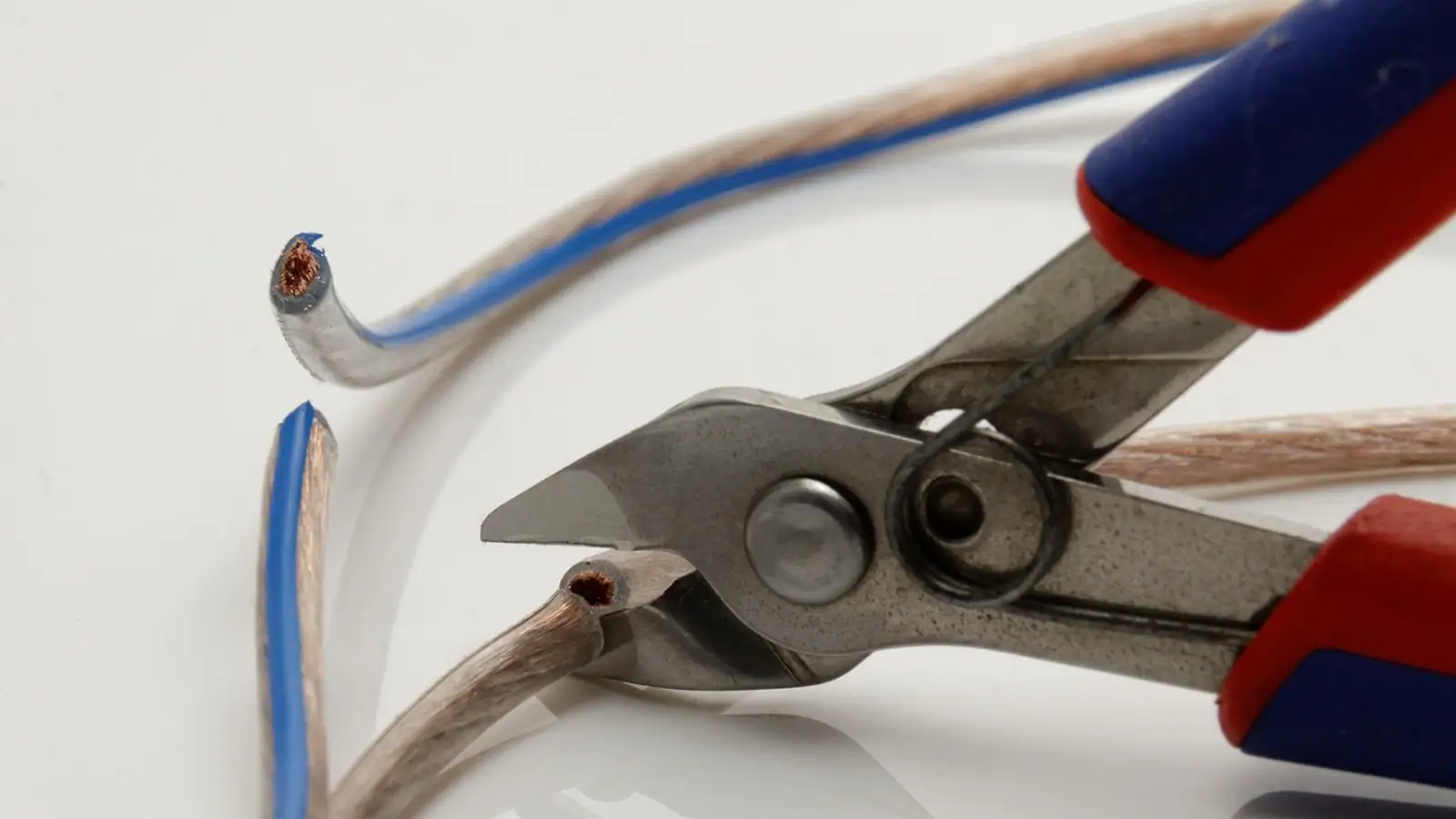
Small electrical jobs are easy to postpone — until a socket goes warm or a light starts flickering on its own. Here is a short checklist of situations we are asked about most often, so you can judge whether it is time for a visit.
If two or more points sound familiar, it is worth looking at fuse box and panel upgrades or reading about wiring repairs and socket replacement before you decide.
Four everyday areas of household electrical work, described plainly. Each visit starts with a look at what you actually have, not with a fixed package.
Replacing old fuse boards with clearly labelled modern units, adding residual-current protection and bringing the box into a state you can read at a glance.
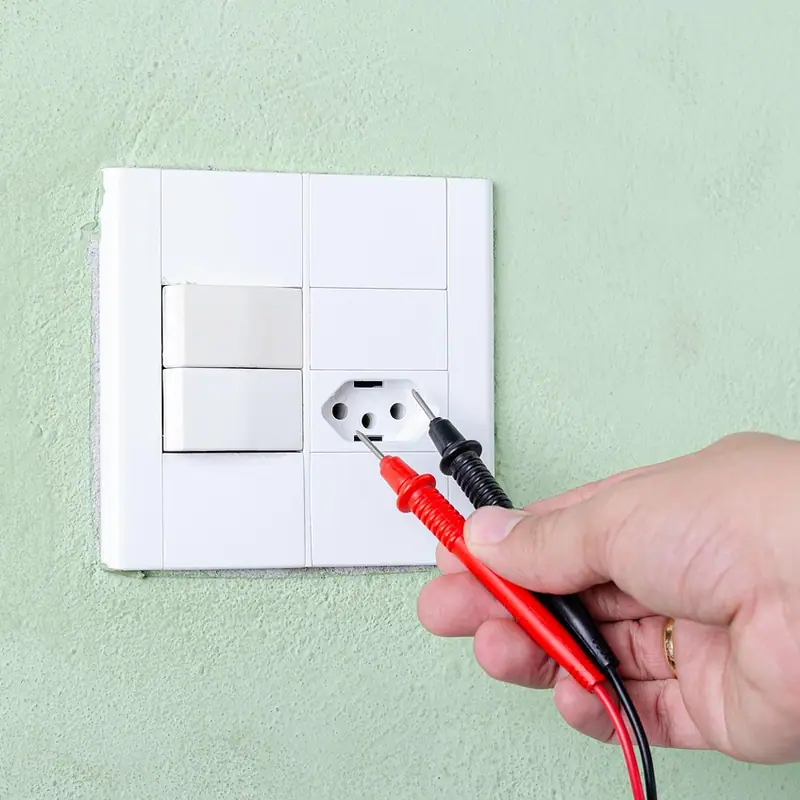
See what is involvedFault-finding, replacement of worn cables, new sockets and switches where you need them, all tested before we pack up.
Read moreWall and ceiling fittings, under-cabinet kitchen lights, terrace and garden lighting planned around how you use each space.
Read moreA calm look at the electrics of a flat or house you are buying, so you know what is safe, what is tired and what can wait.
Ask about a checkOpen each card to see what happens at every stage. The same order applies whether the job is one socket or a whole floor.
Send a note through the form or the contact page with what you noticed, the rooms involved and when the house is free. We reply with what we need to know before coming.
On site we trace the circuit, check the box and the condition of the wiring, then explain what we found in everyday language before any work begins.
Floor protection, dust sheets where needed, and materials suited to the job. Each finished circuit is tested while we are still there.
A short written summary of what was done, which fuse protects which line, and what — if anything — is worth watching later. Details are agreed on request.
A few lines are enough. Write what you noticed and when the house is free — we take it from there.
The same calm order, whether we are replacing one fitting or rewiring a corridor.

Before tools come out, we walk the rooms with you, listen to what bothers you most and trace how the circuits actually run. An old ceiling rose like this one often tells more about a house than any label in the box.
We keep power cuts short and plan them around your day — cooking, homework, home office. Rooms are left swept, fittings wiped, and every new line marked so the next person knows exactly what they are looking at.
General questions about household electrical work, answered without jargon.
Only access: clear the way to the fuse box and the sockets or fittings we will touch. If you know when the problem appears — with the kettle, at night, after rain — a note about it helps.
Usually only for short stretches while a circuit is opened and tested. We say beforehand which rooms will be affected and for roughly how long, so you can plan around it.
Yes. Most household jobs are planned so that one area is finished at a time. Furniture is covered where needed and the work area is tidied before we leave.
We stop, show you what we found and explain the options before going further. Nothing beyond the agreed job is done without your say-so. If you would like a second pair of eyes first, see how to reach us.