Lighting for inside and outside
Good lighting changes how a home feels. A pendant over the table, a soft wall light by the sofa, a lamp above the front door — each of these starts with a cable, a solid connection and a switch that works every time. On this page we explain how lighting work is approached in an ordinary home, step by step and without guesswork.
Indoor lighting that fits the room
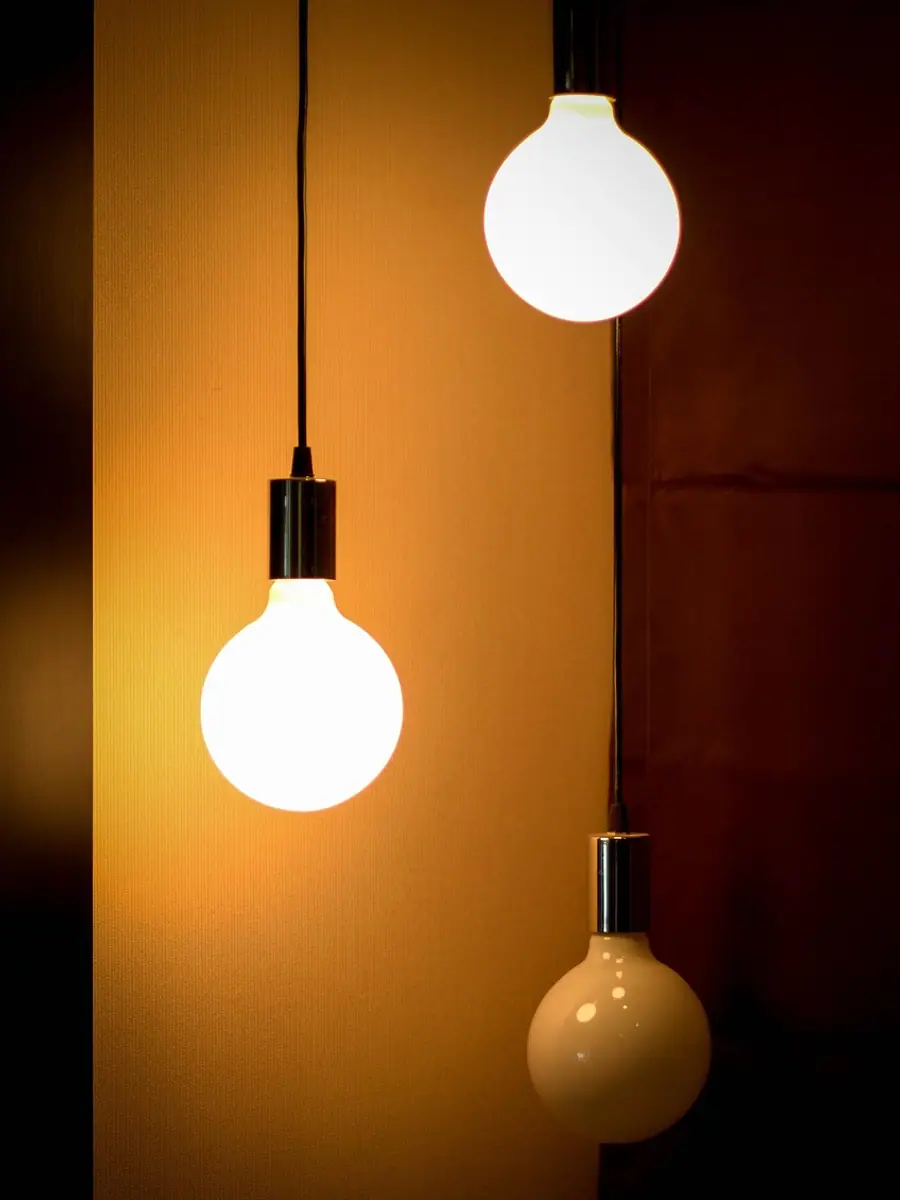
Indoor lighting work usually begins with a walk around the home. Each room is looked at on its own: where the light should fall, where the switch belongs, and whether the existing wiring can carry the new fixture safely. Ceiling roses, chandeliers, wall sconces and under-cabinet strips all follow the same principle — the fixture is only as reliable as the connection behind it.
When a new light point is needed, the route for the cable is planned first, so that walls are opened as little as possible. The switch is placed where the hand naturally reaches for it, and the circuit is checked before the fixture hangs in place. If you are also planning socket or wiring work, the wiring and socket page describes how that side of the job is handled.
Outdoor light that simply works
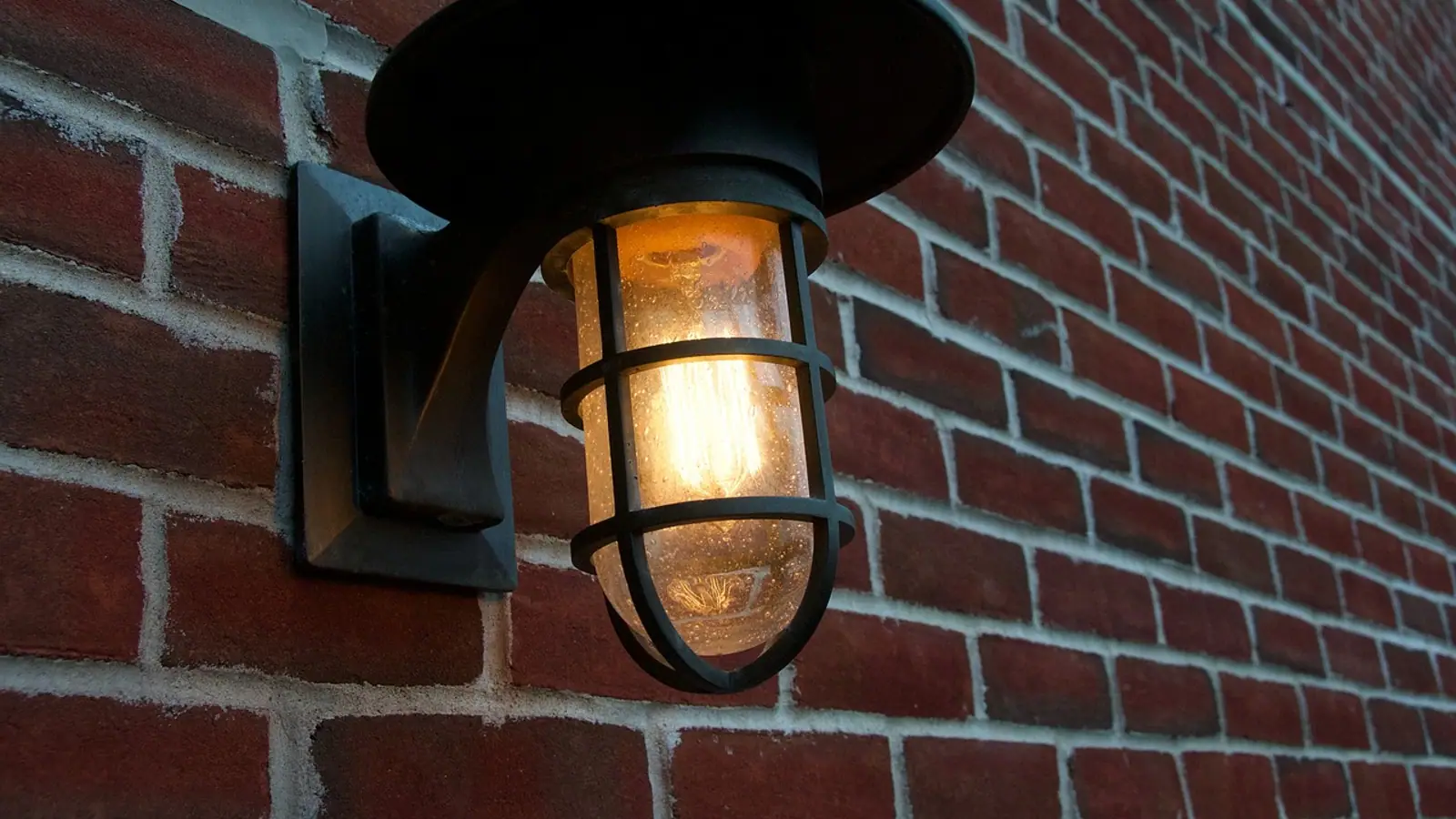
Outside, the demands are different. A garden wall light, a lamp above the entrance or a row of fixtures along a path has to cope with rain, frost and temperature swings. That is why outdoor fittings are chosen with the right protection rating for the spot, and why every cable joint is made in a sealed enclosure rather than wrapped in tape.
Outdoor circuits are protected by an RCD, and the switching is arranged so the light is easy to reach from indoors. Motion sensors and dusk-to-dawn sensors are wired so that they can be adjusted or replaced later without chasing new channels in the wall.
What lighting work covers
Lighting jobs come in all sizes, from a single replaced fitting to a whole room rewired for new points. These are the kinds of work most often asked about.
Replacing fixtures and pendants
An old or broken fitting comes down, the ceiling connection is inspected, and the new pendant, chandelier or spot is mounted on a proper fixing. Dimmable lamps are matched with a compatible switch so the dimming is smooth, not flickering.
New light points
Where a room needs light where there is none, a new point is planned: the cable route, the mounting box and the switch position are agreed before any wall is touched. The finish is left ready for painting.
Wall lights and bedside reading lights
Sconces and reading lights are placed at the height that suits the furniture, with switches within reach of the bed or armchair. Cables are hidden in the wall or routed neatly in trunking where opening the wall is not wanted.
Garden and entrance lighting
Outdoor fittings are mounted on sealed connections, protected by an RCD and switched from inside. Sensors are set so the light responds to real movement, not to every passing branch.
Not sure which of these your home needs? Describe the situation on the contact page and the right approach will be suggested, or start from the overview of our services.
Common questions about lighting
Can an old pendant be replaced with a heavier chandelier?
Often yes, but it depends on the fixing above. The ceiling rose or hook is checked for how the weight is carried, and if needed a stronger mounting plate is fitted first, so the new fixture hangs from the structure and not from the plaster.
Why does a lamp flicker after a bulb change?
Flicker usually points to a mismatch between the lamp and the switch, a loose connection in the fitting, or a dimmer that was made for a different kind of load. The circuit is tested, the cause is found, and either the lamp, the switch or the connection is corrected.
Is it possible to add a light without chasing the wall?
In many rooms, yes. A cable can be routed from an existing point through the ceiling void or in slim trunking painted to match the wall. This is a matter of taste and room layout, and the options are always discussed before work starts.
What does an outdoor light need to withstand Polish winters?
An outdoor fitting needs an enclosure rated for water and dust, sealed cable glands, and protection through an RCD. Mounted this way, a garden or entrance light copes with rain, frost and the temperature swings between seasons.