Skip to content
Xodadi

Fuse box and panel upgrades

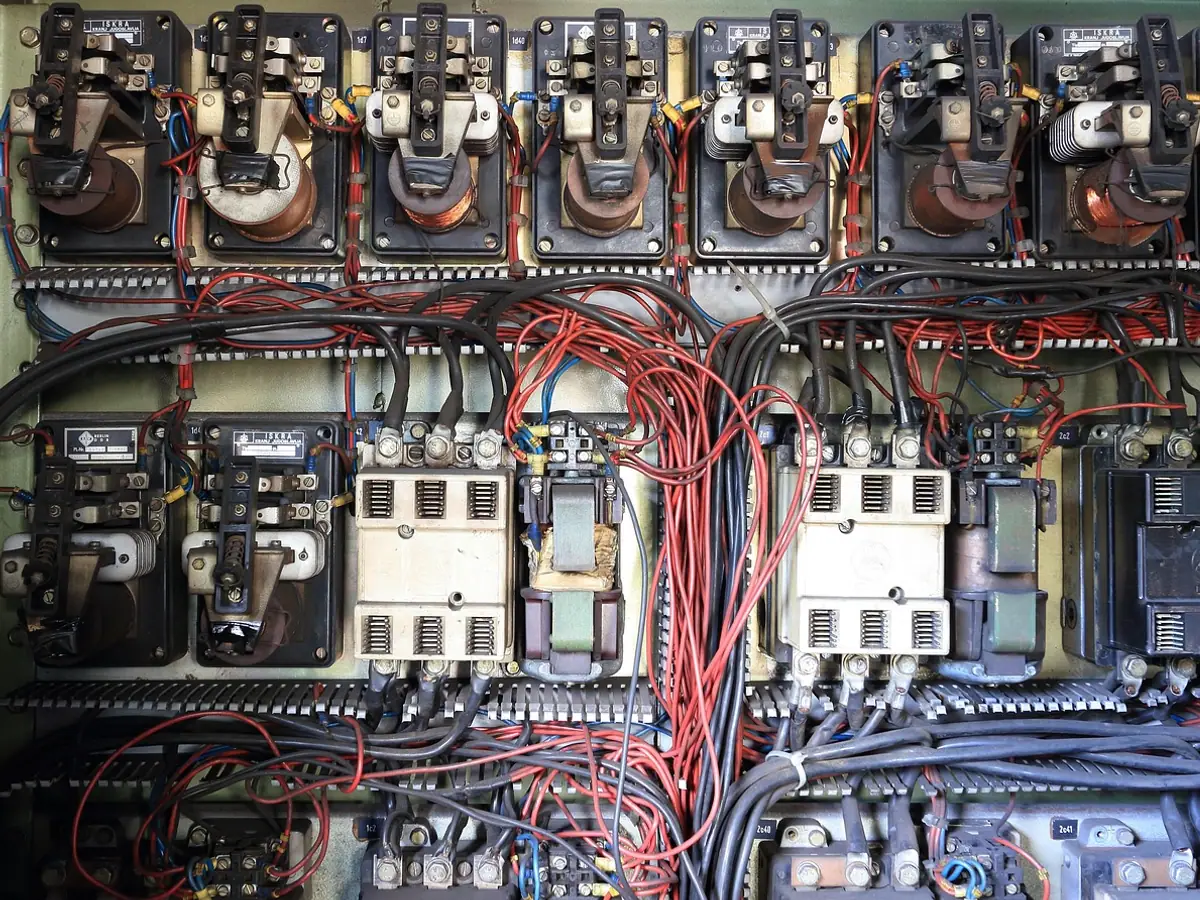
Open consumer unit with rows of breakers

Why the panel matters

The consumer unit is the heart of your home's electrical system. It distributes power to every circuit, protects wiring from overload, and switches everything off safely when a fault appears. An older fuse box with rewireable fuses often lacks the protection a modern household needs.

An upgrade replaces outdated fuses with circuit breakers and residual current devices, so each circuit is protected on its own. If you are planning new sockets, an electric vehicle charger, or a kitchen renovation described on our wiring repairs page, the panel is usually the first thing we look at together.

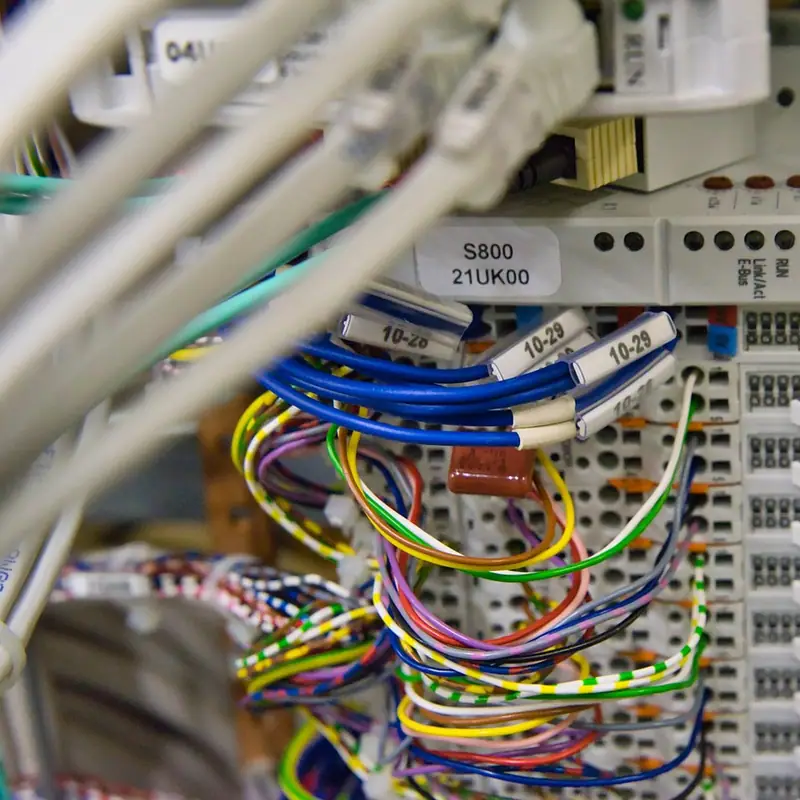
Residual current device close-up in a panel

What stays the same

Cables that run through your walls are kept as they are unless they need attention for their own reasons. The work focuses on the unit itself: the enclosure, the protective devices inside it, and the connections where circuits arrive. Everything is agreed with you before any work begins, and the details of your situation are confirmed on request.

What the work includes

Every upgrade is planned around your home, but the core steps below are part of the job in one form or another.

Assessment and planning

The existing installation is inspected: circuits are counted, cable sizes are checked, and the loads your household actually runs are discussed. Based on this, a panel layout is prepared that fits your home rather than a generic setup.

New consumer unit

The old enclosure is replaced with a modern unit that has space for every circuit and room for a few spare ways, so future additions do not require another replacement.

Circuit protection

Each circuit receives its own breaker, and circuits supplying sockets and areas with water receive residual current protection. This is what turns the panel from a simple switchboard into a safety device.

Labelling and handover

Every way in the new panel is labelled with the room or appliance it serves. You receive a walkthrough of what each device does, and any questions you have are answered on the spot before we consider the job complete.

Wondering whether your situation calls for an upgrade or for simpler socket and wiring work? Send us a message through the contact page and we will look at it together.

Common questions

General questions about fuse boxes and panel upgrades, answered in plain words.

How do I know my fuse box needs replacing?

Common signs include rewireable or cartridge fuses, a consumer unit without residual current protection, breakers that trip often, or a unit that is physically damaged or corroded. An inspection tells you clearly whether a replacement is needed or whether the existing panel can stay.

Do all the cables in the house get replaced too?

No. The upgrade concerns the panel and its protective devices. Cables stay in place unless they show damage or no longer suit the circuits they serve, and any such findings are discussed with you separately before anything is changed.

Will the power be off during the work?

Yes, the supply is disconnected while the unit is being replaced, because working on a live panel is not safe. The outage is planned as one continuous block and communicated in advance, so you can prepare for it.

Can a panel be upgraded in an apartment building?

In many cases yes, though work in shared buildings may involve the building administrator or the common installation. This depends on the arrangements in your specific building, and the details are agreed before the work is scheduled.

How much does an upgrade cost?

The cost depends on the number of circuits, the type of unit, and the condition of the existing installation, so it is quoted on request after we know what your home actually needs.